
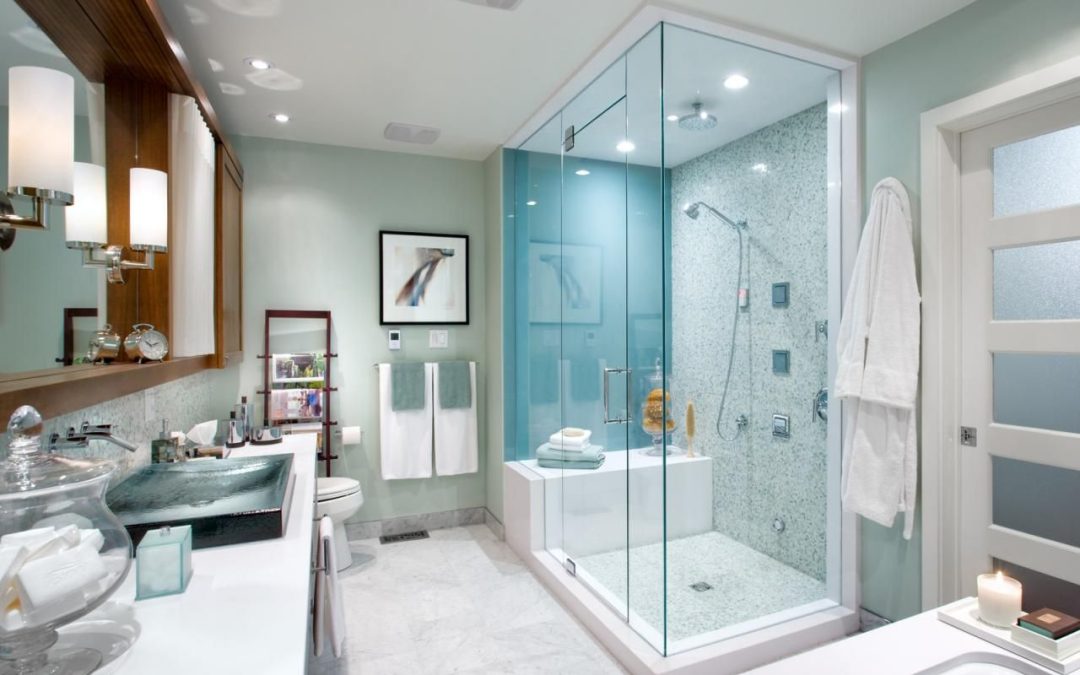
Bending Perspectives: Exploring The Remarkable Features Of Bent Glass In Modern Architecture
In the realm of modern architecture, materials that seamlessly blend form and function are highly coveted, and bent glass stands out as a prime example of innovation in design. This versatile material has revolutionized the way architects approach structural aesthetics, providing a myriad of features that redefine spatial possibilities. In this blog post, we’ll embark on a journey to unravel the exceptional features of bent glass that have made it a cornerstone in contemporary architectural design.
1. Architectural Versatility:
Perhaps the most striking feature of bent glass is its unparalleled versatility. Architects and designers can manipulate the material to assume a variety of shapes, curves, and angles, allowing for the creation of unique and dynamic structures. From gracefully curved facades to intricate glass staircases, bent glass adds a touch of fluidity and sophistication, enabling architects to bring their most audacious visions to life.
2. Aesthetic Elegance:
The aesthetic appeal of bent glass is undeniable. Its smooth, curved surfaces create a visual spectacle, capturing the play of light and reflections in ways that traditional flat glass cannot. The elegance of curved glass adds a layer of sophistication to any architectural design, turning buildings into works of art. Whether used in residential homes or iconic skyscrapers, the aesthetic impact of bent glass is transformative.
3. Enhanced Natural Light:
Bent glass has the unique ability to enhance the ingress of natural light into interior spaces. Its curved form allows sunlight to penetrate at various angles, brightening up areas that might be inaccessible with conventional flat glass. The result is a more inviting and vibrant environment that harnesses the positive effects of natural light, promoting well-being and reducing the need for artificial lighting.
4. Spatial Optimization:
The curvature of bent glass can be strategically employed to optimize space. Curved glass partitions, for example, create a sense of openness while maintaining distinct areas within a structure. This spatial flexibility allows architects to design interiors that feel expansive and interconnected, enhancing the overall functionality of the space.
5. Thermal Performance:
Modern bent glass solutions are designed to offer excellent thermal performance. Advanced technologies, such as thermal breaks and insulating materials, contribute to energy efficiency by regulating heat transfer. This ensures that buildings with curved glass elements remain comfortable throughout the year, reducing the reliance on heating and cooling systems and aligning with sustainable architectural practices.
6. Acoustic Benefits:
Contrary to common perception, bent glass can also contribute to acoustic comfort in architectural spaces. When properly designed and installed, curved glass can act as a sound barrier, reducing noise transmission between different areas. This makes it an ideal choice for applications where acoustic privacy is paramount, such as in office spaces, hotels, or residential complexes.
7. Structural Integrity:
Bent glass is engineered with a focus on structural integrity, ensuring that it meets the highest safety standards. The material’s ability to withstand wind loads, seismic forces, and other environmental factors makes it suitable for a wide range of applications, from exterior curtain walls to glass roofs. The combination of aesthetics and robust structural performance makes bent glass a reliable choice for architects seeking a harmonious balance between beauty and functionality.
8. Customization Possibilities:
Architects appreciate the customization opportunities that bent glass presents. Whether it’s creating a signature curved entrance or designing a one-of-a-kind glass sculpture, the material lends itself to bespoke solutions. This flexibility allows architects to tailor curved glass elements to suit the unique requirements and design aspirations of each project.
In conclusion, the features of bent glass have propelled it to the forefront of modern architectural design. Its aesthetic elegance, versatility, enhanced natural light, spatial optimization, thermal performance, acoustic benefits, structural integrity, and customization possibilities collectively contribute to the material’s widespread appeal. As architects continue to push the boundaries of design, bent glass stands as a testament to the seamless integration of form and function, bending perspectives and reshaping the architectural landscape in captivating ways.


Recent Comments