
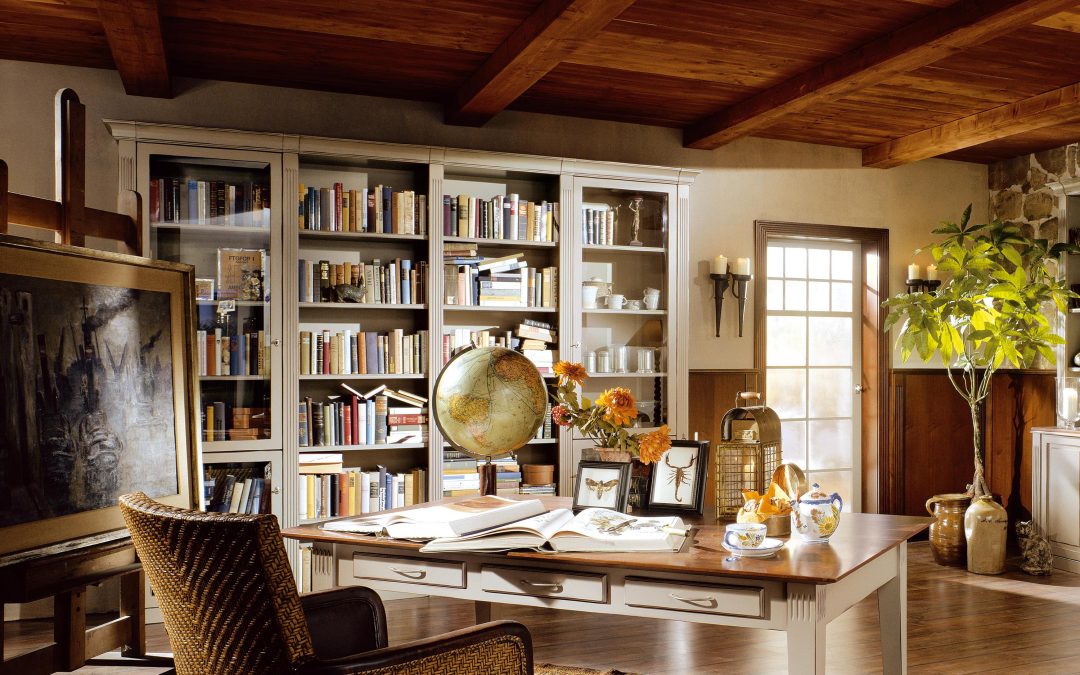
Home Library Design: Creating the Perfect Reading Haven with Style and Functionality
Designing a home library is a dream come true for book lovers and those seeking a quiet retreat to unwind. The perfect home library combines aesthetics with functionality, offering a space that is both beautiful and practical for reading, study, or relaxation. Whether you’re starting from scratch or revamping an existing space, here’s how to create a home library design that meets your needs and reflects your personal style.
1. Choosing the Ideal Location
The first step in designing your home library is selecting the right space. While larger homes may have a dedicated room, smaller spaces can be just as effective with a little creativity.
- Quiet Corners: A quiet corner of your living room, bedroom, or even a hallway can be transformed into a mini-library. All you need is a comfortable chair, some shelving, and good lighting.
- Dedicated Rooms: If you have the space, a dedicated library room allows you to create an immersive reading experience. Consider rooms with minimal noise and natural light to enhance the calming atmosphere.
2. Customising Shelving for Your Collection
Shelving is the backbone of any library, and it’s important to choose the right kind for your collection. Custom-made shelves can be designed to fit your space and needs, ensuring that every book has its place.
- Floor-to-Ceiling Shelves: Floor-to-ceiling shelves maximise storage while creating a grand visual impact. They also give you the flexibility to display decorative items alongside your books, adding a personal touch to the space.
- Built-In Bookcases: Built-in bookcases offer a seamless, polished look. They can be designed to fit into alcoves or along walls, saving space while providing ample storage.
- Floating Shelves: For smaller libraries or modern aesthetics, floating shelves can offer a sleek and minimalist option. They take up less space while still showcasing your books beautifully.
3. Comfortable Seating for Long Reading Sessions
No library is complete without a comfortable spot to read. The seating you choose should complement the overall style of the room while providing comfort for those long reading sessions.
- Armchairs and Recliners: A plush armchair or recliner is a great option for a cozy reading corner. Choose soft, durable fabrics that invite you to settle in with a good book.
- Window Seats: If your library space has a window, a built-in window seat can create the perfect spot to read while soaking in natural light.
- Sofas and Sectionals: For larger libraries or shared spaces, a comfortable sofa or sectional can offer multiple seating options for family members or guests to enjoy the space together.
4. Lighting: Balancing Ambiance and Practicality
Lighting plays a crucial role in home library design. You need enough light to read comfortably, but it’s equally important to create a warm and inviting ambience.
- Task Lighting: Adjustable reading lamps or floor lamps provide focused lighting where it’s needed most. Opt for lamps with soft light settings to avoid glare while reading.
- Ambient Lighting: Overhead lighting, like chandeliers or pendant lights, can enhance the room’s overall aesthetic. Consider dimmable lights to create a relaxing atmosphere.
- Natural Light: If possible, make use of natural light by positioning your seating near windows. Natural light not only brightens the space but also creates a more comfortable reading environment during the day.
5. Personalising Your Space
Your home library should reflect your personal style and interests. From the choice of decor to the layout, personalise the space to make it your own.
- Decorative Accents: Add personality to your library with framed artwork, family photos, or collectibles that resonate with you. These items can break up the monotony of books and add character to the room.
- Rugs and Textiles: Rugs and cushions are easy ways to add color, texture, and warmth to your library. Choose cozy textiles that enhance comfort and tie the room’s design together.
- Greenery: Adding plants to your library brings a touch of nature indoors, promoting a calm and serene environment. Small potted plants or hanging greenery can fit seamlessly into the space.
6. Maximising Functionality with a Library Ladder
For larger collections that span floor-to-ceiling shelves, a library ladder can be a practical and stylish addition. Not only does it offer easy access to higher shelves, but it also adds a classic, elegant touch to your home library.
- Rolling Ladders: These ladders glide smoothly along a track, allowing you to move easily from one part of your collection to another.
- Hook-on Ladders: For a more flexible solution, hook-on ladders can be attached when needed and stored away when not in use.
7. Incorporating Technology
In today’s digital age, it’s important to consider how technology fits into your home library. Whether you use e-readers, tablets, or a personal computer, designing your library with technology in mind will ensure it remains a functional space.
- Charging Stations: Incorporate discreet charging stations for devices like tablets or laptops so they’re always ready when needed.
- Audiobooks and Speakers: For audiobook lovers, a high-quality speaker system can transform your home library into an auditory haven for enjoying your favourite reads.
Conclusion
Designing a home library is an opportunity to create a personal sanctuary where you can escape into the world of books. By focusing on both style and functionality, you can craft a space that not only showcases your collection but also invites relaxation and creativity. Whether you have a small corner or a grand room, the right design choices will ensure that your home library becomes the perfect reading haven for years to come.


Recent Comments