The Essentials: Equipment And Specifications For Architectural Hardware In Sydney
In the dynamic field of construction and renovation, the importance of high-quality architectural hardware cannot be overstated. From ensuring the security of a property to enhancing its aesthetic appeal, the right hardware plays a crucial role. For professionals and enthusiasts in Sydney, understanding the necessary equipment and specifications is essential. This guide will delve into the key components and standards for architectural hardware in Sydney.
Hinges: Types and Standards
Architectural hardware hinges come in various forms, each suited to different applications and requirements.
- Butt Hinges: Commonly used for standard doors, these hinges are robust and versatile. They must meet Australian Standard AS 2688-1984, ensuring they can withstand the required loads and usage.
- Concealed Hinges: Ideal for achieving a clean, modern look, concealed hinges are typically used in high-end residential and commercial projects. They should comply with the same standards as butt hinges, focusing on durability and performance.
- Pivot Hinges: Used for heavy or oversized doors, pivot hinges offer superior support and smooth operation. These hinges should meet specific load-bearing requirements, often exceeding those of standard door hinges.
Locks and Security Mechanisms
The security of any building depends significantly on the quality of its locks and security systems. In Sydney, architectural hardware specifications for locks are guided by strict standards.
- Mortice Locks: These locks, installed within the door itself, are known for their strength and security. They must comply with Australian Standard AS 4145.2-2008, which specifies the performance requirements for locksets.
- Deadbolts: Providing an extra layer of security, deadbolts are essential for external doors. They should also meet AS 4145.2-2008 standards, ensuring they can resist various forms of attack.
- Electronic Locks: With the rise of smart technology, electronic locks are becoming more prevalent. These locks need to meet both mechanical standards and additional criteria for electronic security, such as those outlined in AS 2201.1-2007.
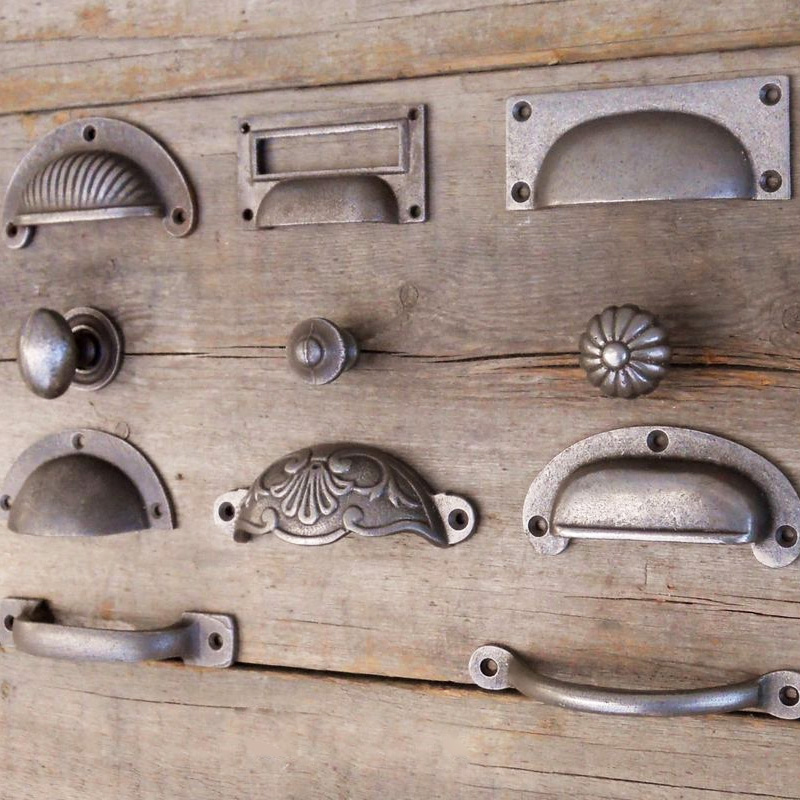
Handles and Pulls
Handles and pulls are critical components of architectural hardware, offering both functionality and style.
- Lever Handles: These handles are popular in both residential and commercial settings due to their ease of use. They should comply with AS 1428.1-2009, which outlines the design requirements for access and mobility.
- Pull Handles: Frequently used in commercial buildings, pull handles need to be durable and ergonomic. They should meet standards for both load-bearing and user comfort, ensuring they can withstand frequent use.
Door Closers and Control Systems
Door closers are essential for maintaining the security and energy efficiency of a building. In Sydney, the specifications for these components are stringent.
- Surface-Mounted Closers: These closers are installed on the surface of the door and frame. They must meet Australian Standard AS 4145.5-2003, which specifies the performance requirements for door control devices.
- Concealed Closers: Installed within the door and frame, concealed closers offer a sleek appearance. They should comply with the same performance standards as surface-mounted closers, ensuring reliable operation.
- Automatic Door Operators: Used in commercial and public buildings, automatic door operators must meet AS 5007-2007, which outlines the requirements for automatic doors, ensuring safety and accessibility.
Fasteners and Fixings
The unsung heroes of architectural hardware, fasteners and fixings ensure that all components are securely attached and function as intended.
- Screws and Bolts: These should meet Australian Standard AS 3566.1-2002, which specifies the requirements for self-drilling screws used in construction. This ensures they are strong enough to handle the stresses placed upon them.
- Anchors and Brackets: Used to secure heavier components, anchors and brackets must comply with standards that ensure they can support the required loads without failure.
Standards and Compliance
Compliance with Australian standards is crucial for all architectural hardware in Sydney. These standards ensure safety, reliability, and performance, providing peace of mind for both builders and occupants.
- Australian Standards (AS): The standards mentioned throughout this guide are part of a comprehensive set of guidelines that cover various aspects of construction and hardware. Adhering to these standards ensures that all hardware components meet the necessary safety and performance criteria.
- Building Code of Australia (BCA): In addition to specific hardware standards, the BCA outlines broader requirements for building safety and performance. Ensuring that all architectural hardware complies with the BCA is essential for any construction or renovation project.
Environmental Considerations
Modern architectural hardware must also consider environmental impact. Sustainable materials and energy-efficient designs are increasingly important in Sydney’s construction industry.
- Recyclable Materials: Many hardware components, such as aluminium and steel, are recyclable, reducing the environmental impact. Choosing products made from recyclable materials can contribute to sustainability goals.
- Energy Efficiency: Components like door closers and seals can help improve a building’s energy efficiency by maintaining thermal insulation and reducing drafts.
Conclusion
Selecting the right equipment and specifications for architectural hardware in Sydney is crucial for ensuring the security, functionality, and aesthetic appeal of any building. From hinges and locks to handles and fasteners, each component plays a vital role. By adhering to Australian standards and considering environmental factors, builders and designers can create spaces that are safe, efficient, and visually appealing. Understanding these essentials equips you to make informed decisions, ensuring your project meets the highest standards of quality and performance.