
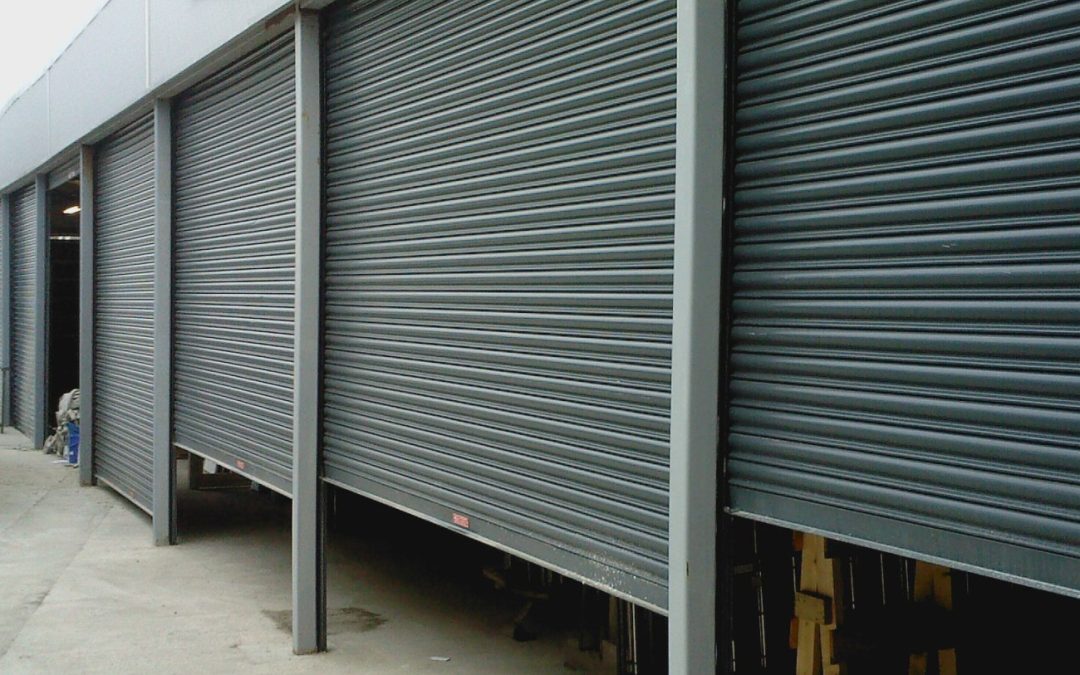
Fire-rated shutters have journeyed through history, evolving from rudimentary protective barriers used by ancient civilizations to sophisticated, technologically advanced systems that provide modern-day fire protection. This evolution has been driven by the constant pursuit of enhancing safety standards and mitigating fire risks. Let’s explore the transformative journey of fire-rated shutters in distinct historical periods and their evolution into multifunctional protective systems today.
1. Ancient Civilizations: The Origins of Fire Protection
– Early civilizations like the Romans employed basic fire safety measures using materials such as wood and animal hides to create rudimentary shutters.
– These primitive attempts established the fundamental concept of containing and preventing fire spread through the use of barriers like shutters, laying the groundwork for future innovations.
2. Middle Ages: Advancements in Design and Functionality
– European societies during the Middle Ages introduced more sophisticated shutters crafted from metal alloys.
– Manual operation of these shutters was prevalent, primarily aiming to safeguard buildings, especially in densely populated areas susceptible to fire outbreaks.
3. Industrial Revolution: Technological Advancements
– The Industrial Revolution marked a turning point as technological advancements introduced new materials like steel, enhancing the robustness and efficiency of shutters.
– Automatic mechanisms were incorporated, allowing shutters to respond rapidly to fire alarms or smoke detection systems, significantly improving containment and protection capabilities.
4. 20th Century: Integration and Refinement
– Stringent building codes and safety regulations in the 20th century spurred further refinement of fire-rated shutters.
– Engineers and architects focused on integrating shutters seamlessly into building designs while ensuring they provided both fire protection and aesthetic appeal.
5. 21st Century: Technological Revolution and Customization
– Technological innovations in the 21st century led to the development of advanced materials such as fire-resistant composites and smart building integration.
– Modern fire-rated shutters feature remote monitoring, control systems, and customization options catering to diverse industries and building types.
6. Contemporary Features and Functionalities
– Present-day fire-rated shutters offer more than just fire barriers; some incorporate insulation properties contributing to energy efficiency and climate control within buildings.
– Emphasis on sustainability aligns with the incorporation of dual functionalities in modern construction practices.
7. Future Innovations and Integration
– Ongoing research and development efforts focus on further enhancing fire resistance, durability, and integration with smart building technologies.
– The future of fire-rated shutters aims to align with evolving safety standards and technological advancements for improved protection.
Conclusion:
The evolutionary journey of fire-rated shutters, from their humble beginnings as basic protective barriers to today’s technologically advanced systems, exemplifies the continuous pursuit of safety and innovation. These shutters, a blend of history, engineering, and cutting-edge technology, play an integral role in safeguarding lives and property against the destructive force of fires.


Recent Comments