
Pest control is essential for maintaining a healthy and comfortable living environment. The right approach can vary depending on the type of pests, the severity of the infestation, and the specific circumstances of the property. In this article, we will explore the most effective pest control methods, ensuring you have the knowledge to keep your home or business pest-free.
Chemical Pest Control
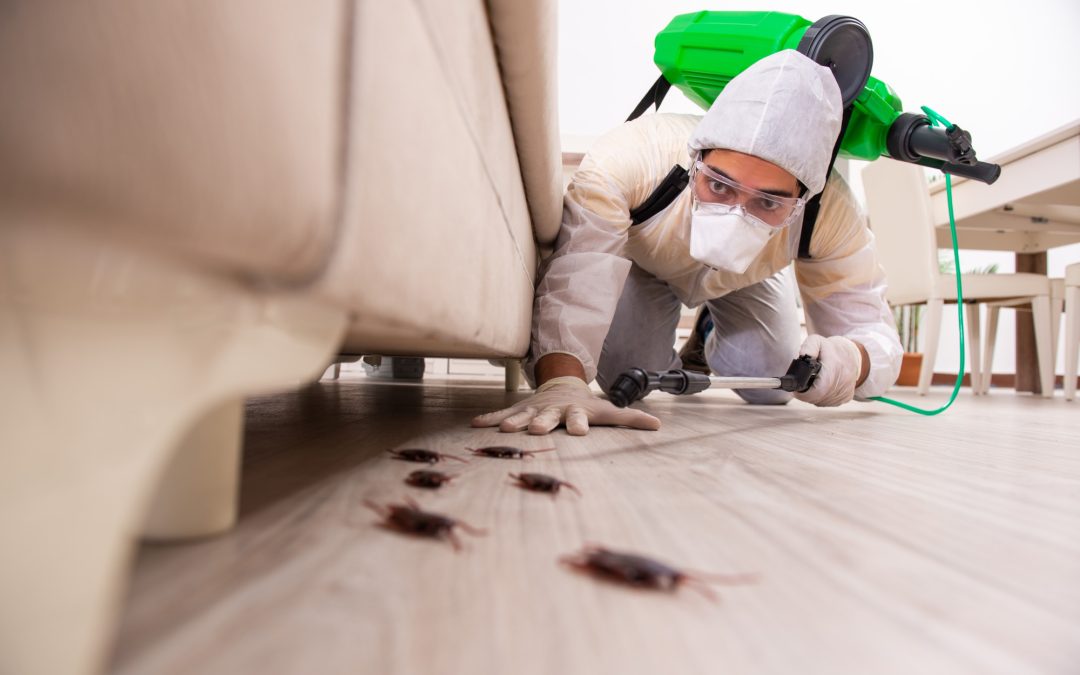
Chemical pest control is one of the most common and effective methods today. It involves the use of pesticides that are specifically formulated to target and eliminate pests. These chemicals can be applied in various forms, such as sprays, baits, or powders. Chemical pest control is particularly effective against insects like Ants, Roaches, and Termites, providing quick and noticeable results. However, using these chemicals responsibly is essential to avoid harm to humans, pets, and the environment.
Biological Pest Control
Biological pest control is a natural method that utilises living organisms to control pest populations. This method often involves the introduction of predators, parasites, or pathogens that are natural enemies of the pests. For example, ladybirds can be used to control aphids in a garden. This method is environmentally friendly and sustainable, as it reduces the reliance on chemical pesticides. However, it requires a good understanding of the ecosystem and the specific pests.
Mechanical Pest Control
Mechanical pest control involves using physical methods to prevent or eliminate pests. This can include traps, barriers, or manual removal. Traps are commonly used for Rodents, while barriers can prevent pests like slugs and snails from accessing plants. Mechanical methods are often used with other pest control strategies to enhance effectiveness. This non-toxic approach can be highly effective, particularly for small-scale infestations.
Integrated Pest Management (IPM)
Integrated Pest Management (IPM) combines multiple pest control methods to achieve the best results. IPM involves monitoring pest populations, identifying the most effective control methods, and implementing a combination of chemical, biological, and mechanical controls. Integrated Pest Management is considered one of the most effective and sustainable pest control methods, focusing on long-term prevention and minimising harmful chemicals.
Natural Pest Control
Natural pest control methods involve using organic or natural substances to deter pests. This can include planting pest-repellent plants, using essential oils, or applying natural insecticides like neem oil. These methods are safe for the environment and non-toxic to humans and pets. Natural pest control is viral among organic gardeners and those looking to reduce their chemical footprint. While often less immediate than chemical methods, natural pest control can be effective over time with consistent application.
Electronic Pest Control
Electronic pest control devices use ultrasonic or electromagnetic waves to repel pests. These devices are designed to disturb the pests’ nervous systems, making the environment uncomfortable. Electronic pest control is typically used for rodents and insects. It’s a non-toxic and humane method, but its effectiveness can vary depending on the specific pests and the environment in which it’s used.
Conclusion
The most effective method of pest control depends on the type of pest, the severity of the infestation, and the property’s specific needs. Chemical pest control offers quick results, but it must be used responsibly to avoid negative impacts. Biological and natural pest control methods are environmentally friendly and sustainable, though they may require more time and understanding. Mechanical methods provide a non-toxic option, while electronic devices offer a modern, humane solution. Integrated Pest Management is a comprehensive approach that combines various methods to achieve optimal results.
Choosing the right pest control method involves carefully considering the pest problem, environmental impact, and long-term effectiveness. By understanding the strengths and limitations of each method, you can make an informed decision that best suits your needs and ensures a pest-free environment.


Recent Comments